







Search Results for: Hot Milk Latte Art

Can iced lattes achieve latte art effects? Analyzing why hot milk is the key to latte art
The delicate latte art patterns on a hot latte are always a pleasure to behold, but why is it that an iced latte, made from the same espresso and milk, almost never features latte art? Behind this lies the science of milk foam formation, the effect of temperature on blending, and various practical limitations. Front Street Coffee has made multiple attempts at making iced milk foam, from handheld frothers to French presses, in an effort to replicate latte art on cold drinks, but the results were less than satisfactory. This article will delve into the scientific principles of latte art, compare the differences between making hot and iced lattes, and share Front Street's real experiences and final results from iced milk foam experiments. If you've ever wondered why iced lattes can't have latte art, or want to understand the challenges of making cold milk foam, this article will reveal it all. [more…]
Coffee Latte Art | Can You Make Latte Art with Americano Black Coffee? How to Make Coffee Latte Art with Hot Americano? What Does Americano Coffee with Latte Art Taste Like?
Customer: "Boss, I'd like a coffee with some nice latte art!" Front Street: Okay, would you like a latte, a flat white, or a cappuccino? Customer: "An americano!" Front Street: ... Latte art, to be precise, should be called "Latte Art," which translates to "latte art" (milk art). [more…]
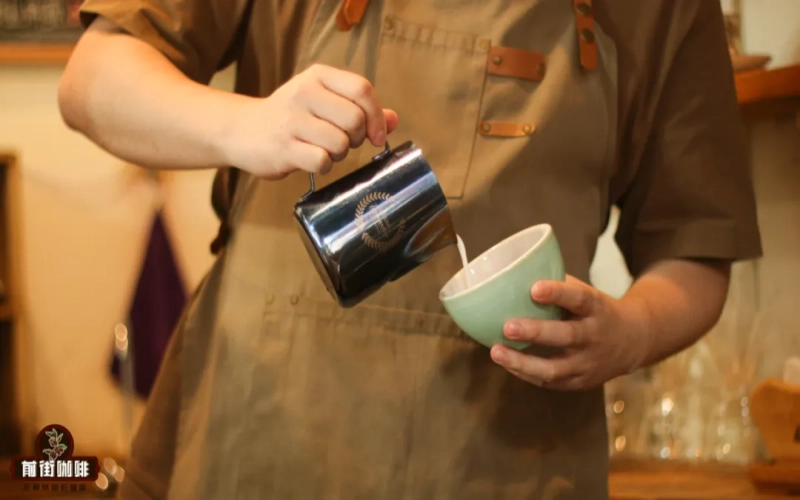
Does latte art affect the flavor of a latte? What key points should be considered when creating patterns in the preparation of hot Italian milk coffee?
Many coffee enthusiasts wonder whether latte art actually changes the taste of a latte. Starting from the factors that determine the flavor of milk coffee, and drawing on Front Street Coffee's own tests, this article explains that latte art has almost no effect on mouthfeel. On this basis, we go on to explore why hot milk coffee still needs latte art—the visual appeal and emotional value it brings often take effect before the guest even takes a sip, and directly influence purchasing choices and evaluations of the drink. For commercial offerings, latte art is an important way to convey thoughtfulness; when drinking at home, however, it is enough to ensure the quality of the beans and the extraction—whether or not to pour latte art is entirely a matter of personal preference. [more…]
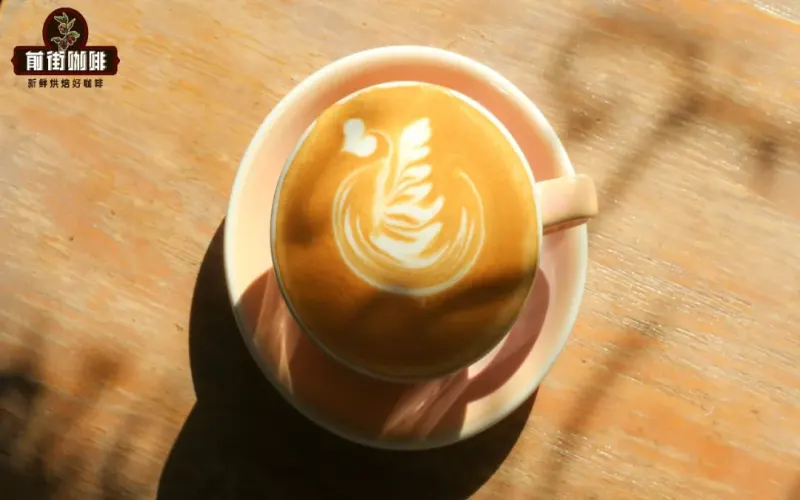
Why Is Latte-Making a Key Part of Barista Assessments? A Full Breakdown of Milk Foam Quality and Latte Art Techniques
In the skill assessment of baristas, making a hot latte is often regarded as a key evaluation component. From grinding and extraction to milk frothing and latte art, every step reflects whether a barista's basic skills are solid. A high-quality latte not only requires standardized and smooth operation, but also fine, dense milk foam with moderate thickness and good fluidity, so that it can support delicate latte art patterns. In addition, controlling the milk temperature between 60°C and 65°C can bring out the sweetness of lactose, while the quality of integration directly affects the taste and the cleanliness of the latte art background. Front Street Coffee often shares that by observing the overall performance of a latte, a barista's core abilities can be comprehensively evaluated, which is also an assessment method that other coffee drinks cannot easily replace. [more…]
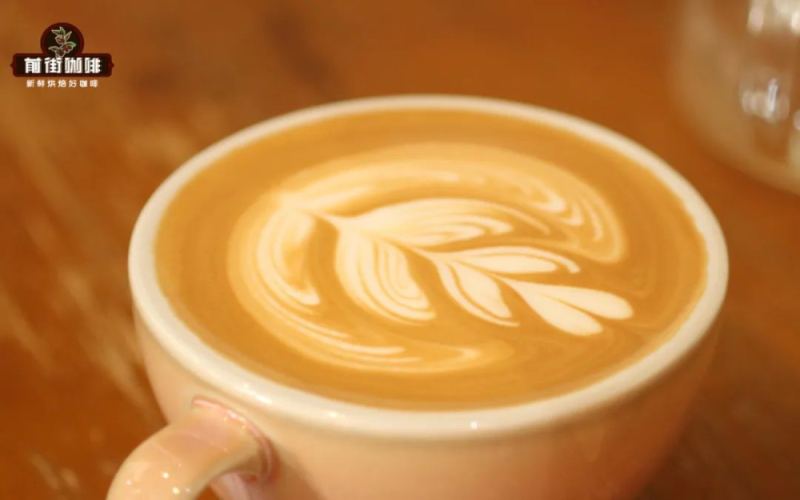
Master Latte Art from Scratch: A Complete Breakdown of Hand Gestures and Steps, Plus Efficient Practice Methods for Beginners
To make a hot latte with beautiful latte art at home, drinking coffee alone is not enough—the key lies in mastering milk frothing and latte art techniques. From the perspective of Front Street, this article first introduces the origins and proportions of latte coffee, then gradually breaks down the two major stages of latte art: integration and pouring, and explains in detail the air intake and texturing steps of milk frothing. The article also includes efficient practice tips to help you transition from practicing with water to working with real milk, so you can avoid detours and quickly pour basic patterns like hearts and tulips. [more…]
Master Milk Steaming and Latte Art from Scratch: A Complete Guide to Latte Making and Common Beginner Mistakes
To make a beautiful latte with latte art at home, simply imitating videos is far from enough. From the perspective of Front Street Coffee, this article systematically sorts out the basic concepts, ingredient ratios, and production process of latte coffee, deeply breaks down the two key stages of milk steaming—aeration and texturing—and explains the impact of the pouring technique on the taste and appearance of the finished product. At the same time, addressing the common problem among beginners that "latte art always turns into a blob," it points out that the quality of the milk foam is the fundamental cause, and includes an efficient practice path to help coffee enthusiasts gradually build muscle memory and ultimately achieve stable patterns. [more…]
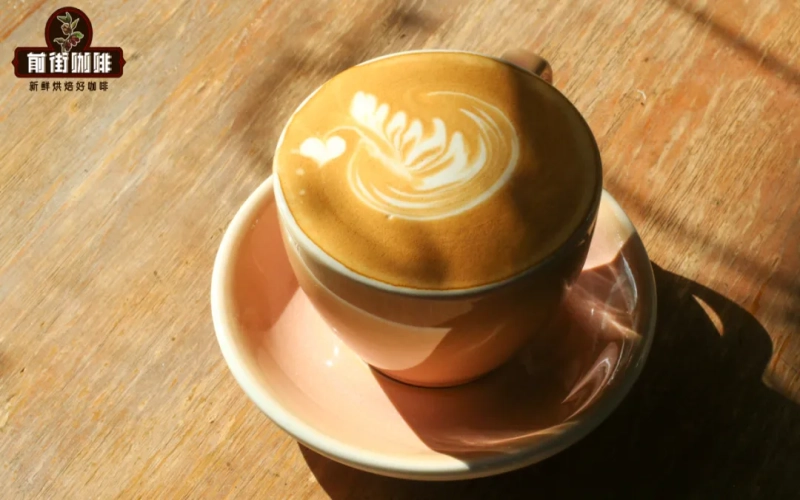
A Detailed Explanation of the Principles and Methods of Americano Latte Art: Using Foamed Coffee Liquid Instead of Milk, Including a Practical Guide with Front Street Classic Blend
Latte art has always been regarded as the exclusive domain of lattes, but Americano can actually achieve beautiful patterns too. This article starts from the basic principles of latte art—the proteins in milk wrap around air to form a low-density foam, which floats on the surface of espresso crema to create patterns—and then leads into the feasibility of using the coffee liquid itself to foam instead of milk. We will share in detail how to froth espresso by adding ice water to increase the liquid volume and lower the temperature, and provide a complete hands-on demonstration using Front Street Classic Blend. Finally, we compare the differences in flavor, strength, and mouthfeel between latte-art Americano and regular hot Americano, offering coffee enthusiasts a completely new way to experience Americano. [more…]
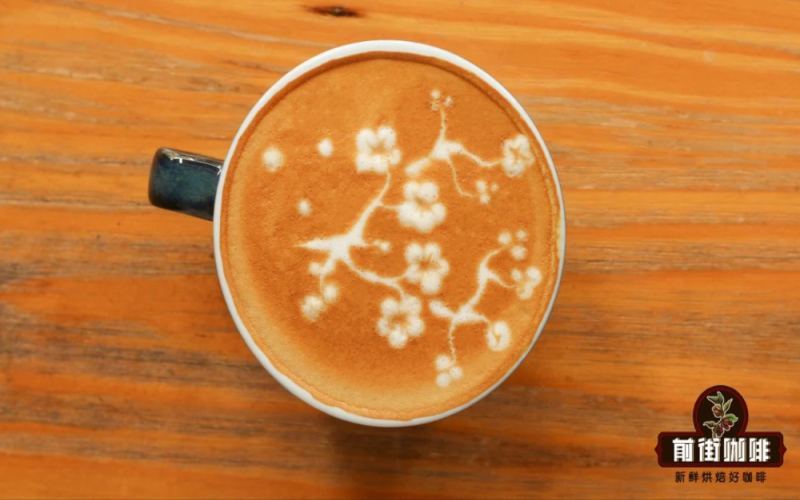
Latte Art Guide: From Pouring Point and Swirling Control to Step-by-Step Tutorials for Tulip and Leaf Patterns
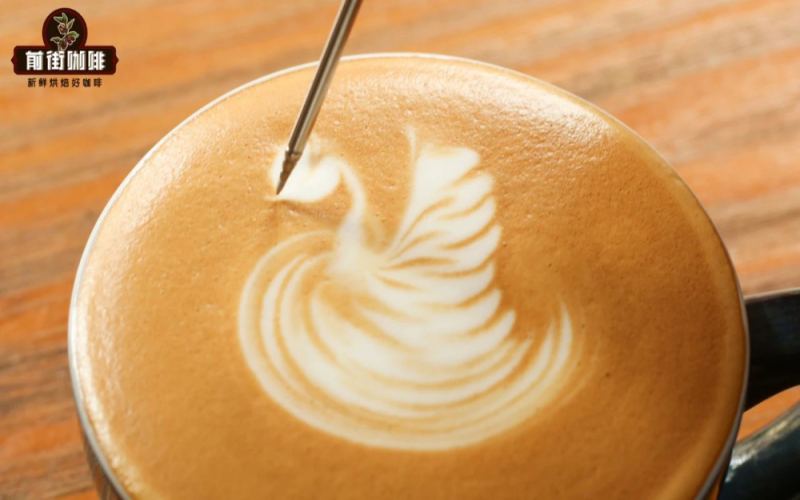
Latte art encompasses three categories: free pouring, etching, and printing. Of these, free pouring and etching are together known as milk latte art—free pouring creates the pattern directly through wrist control while pouring hot milk, whereas etching uses chocolate sauce and tools such as toothpicks and bar spoons to refine the details. Free pouring is the foundation, and etching is the辅助 (auxiliary); the former tests technique, the latter tests creativity. To master milk latte art, one typically goes through five stages: choosing the right milk pitcher and coffee cup, practicing flow control, becoming familiar with basic patterns, hands-on practice, and then further refinement and improvement. This article will use two basic patterns, the tulip and the leaf, as examples to break down key techniques such as the position of the pour point, the flow rate, and the rhythm of the swing, and explain how to use 【Front Street Specialty Blend】 to extract espresso suitable for latte art. [more…]
Can a Hot Americano Be Latte Art? Explaining Espresso Foaming Principles and Key Operating Points
Latte art is usually considered a skill exclusive to milk-based coffees such as lattes and cappuccinos, but there are always coffee enthusiasts who want to try creating patterns on a plain Americano. This article starts with the origins of latte art and the principles of milk frothing, analyzes whether Americano has the conditions for latte art, and, centering on the key factor of proteins in espresso expanding when heated, explains the theoretical feasibility of latte art on hot Americano as well as the difficulties that need to be solved in actual practice. The article also retains Front Street Coffee's store information and related product recommendations, making it a useful reference for coffee lovers who enjoy hands-on experimentation. [more…]
Learning Milk Frothing and Latte Art from Scratch: A Complete Practice Approach from Milk Foam Principles to Pattern Formation
To make a hot latte with beautiful latte art at home, espresso alone is not enough—the key often comes down to the "milk foam" step. Drawing on the practical experience of Front Street Coffee, this article first explains the basic composition of a latte and the ratios for good flavor, then breaks down the two stages of milk steaming—aeration and texturing—step by step, explaining the key points of integrating techniques and pouring posture, and finally offers an efficient practice path alternating fresh milk and water. Whether you are new to espresso or always end up with coarse bubbles and a blob of latte art, you can find actionable directions for improvement. [more…]
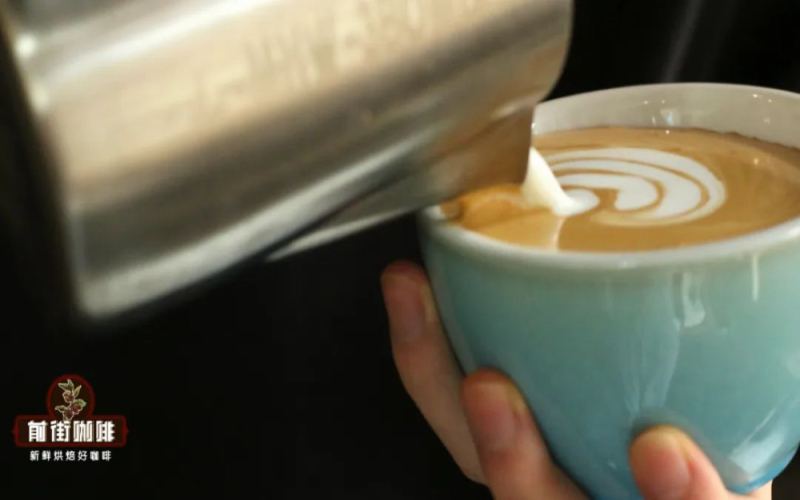
How much does latte art affect the flavor of a latte? Front Street's hands-on comparison and a barista's perspective
Many coffee enthusiasts are curious: does latte art actually change the taste of a latte? Does a beautiful pattern equal a delicious drink? To find out, Front Street Coffee designed a comparative experiment, using the same batch of espresso and milk foam to make milk coffees with and without latte art, and organized a blind tasting. The results showed that the overall performance of the two cups was very similar, with only a slight difference on the first sip. This article will analyze in detail how much latte art truly affects the taste, from the experimental process, the principles of how crema and milk foam merge, and the barista's perspective, and share the key aspects that truly need attention for a good latte. [more…]
From Surfactants to Foam Stability: A Beginner's Guide to Latte Art and the Principles of Fluid Dynamics
Latte art is a romantic expression of a barista's skill, with white milk foam blooming into heart or leaf patterns on the surface of dark brown espresso. Latte art is divided into two types: free-pour latte art and etched latte art created after pouring. The wonder of the former lies in the pattern forming simultaneously with the pour, while the latter offers a wider range of designs because the stable foam allows for leisurely drawing. From a physics perspective, the core of latte art lies in surfactants—molecules that possess both hydrophilic and hydrophobic groups, capable of stabilizing the interface between air and liquid to form lasting foam. Milk proteins and coffee lipids act together as surfactants, enabling the two micron-scale foams to remain clearly separated for a long time after mixing, thereby allowing the pattern to persist. This article will guide you from the basic principles of surfactants to understand espresso's crema, the formation of hot milk foam, and why foam mixing rather than liquid mixing is the key to successful latte art, while also revealing the widespread applications of surfactants in daily life and industry. [more…]
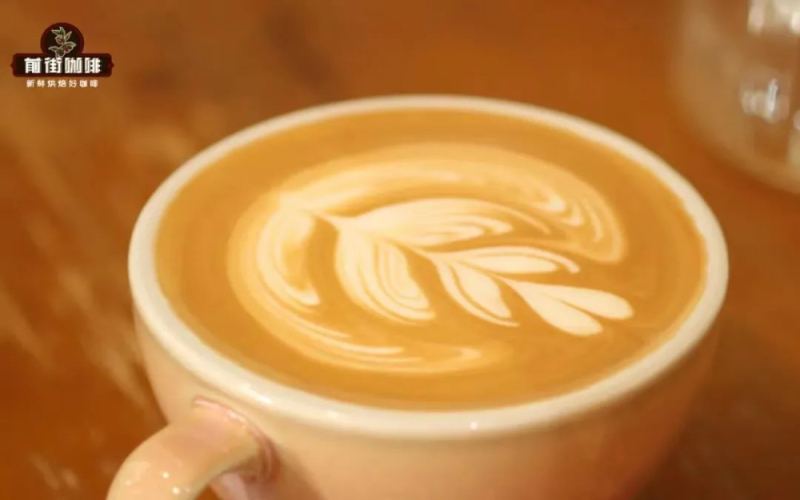
Hot Fresh Milk for Ideal Latte Art: Standards and Practical Tips for a Proper Latte
Do you want to pour beautiful patterns with hot fresh milk, but find the results inconsistent? Whether a latte art pour is up to standard actually varies from person to person, but Front Street Coffee believes it can be judged on three levels: surface fineness, integration evenness, and pattern clarity. In addition to sharing the judging criteria, this article will also introduce a few tips that can effectively reduce the failure rate, including adjusting milk foam thickness, pre-treatment before integration, and repeatedly practicing with simple patterns. At the same time, choosing the right coffee beans is also crucial. Front Street specialty espresso blend can help you extract rich crema more easily, making latte art twice as effective with half the effort. [more…]
The Complete Guide to Latte Art with Hot Fresh Milk: Practical Approaches from Milk Foam Handling to Pattern Formation
Latte art is one of those things that can seem either difficult or easy—some people occasionally pour a beautiful pattern, but then can't reproduce it no matter how hard they try. At Front Street Coffee, we believe that judging the quality of latte art starts with whether the surface is smooth and fine, then whether the integration is even and the boundary between the golden ring and the pattern is clear, and only lastly comes the pattern itself—as long as the texture is sharp and the shape is well defined, that's enough. Theory can't replace feel, but a few small tips can help you reduce your failure rate. This article walks you through bean selection, milk foam thickness, pre-fusion preparation, repeated practice of basic patterns, and flexible adaptation, teaching you step by step how to make stable, attractive latte art with hot fresh milk. [more…]
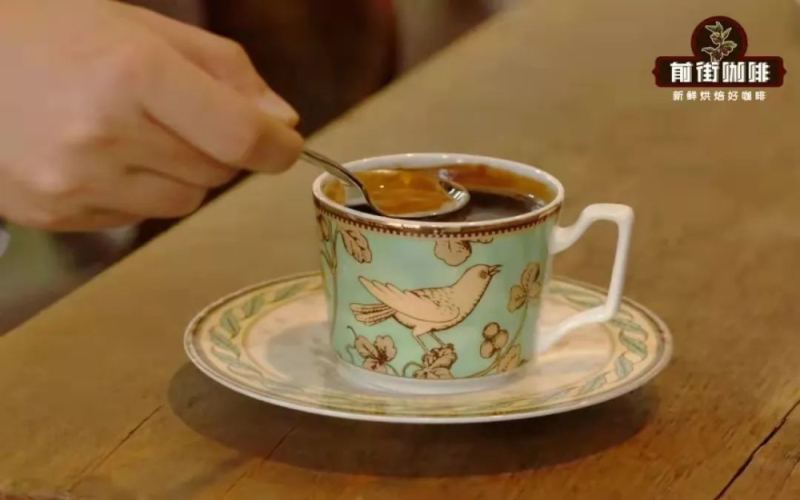
Can Americano be used to make latte art? An analysis of the steps and principles of hot Americano latte art
Americano is made from espresso and water, essentially a dairy-free black coffee. Latte art, on the other hand, relies on steamed, velvety milk foam that blends with the surface of the coffee to form patterns. So is it actually possible to create latte art with an Americano? This article will analyze the feasibility of latte art on an Americano from the perspective of its composition and physical properties, and includes an illustrated guide to pouring latte art on a hot Americano. If you're interested in coffee-making techniques, read on—the article also specifically mentions related product recommendations from Front Street Coffee. [more…]
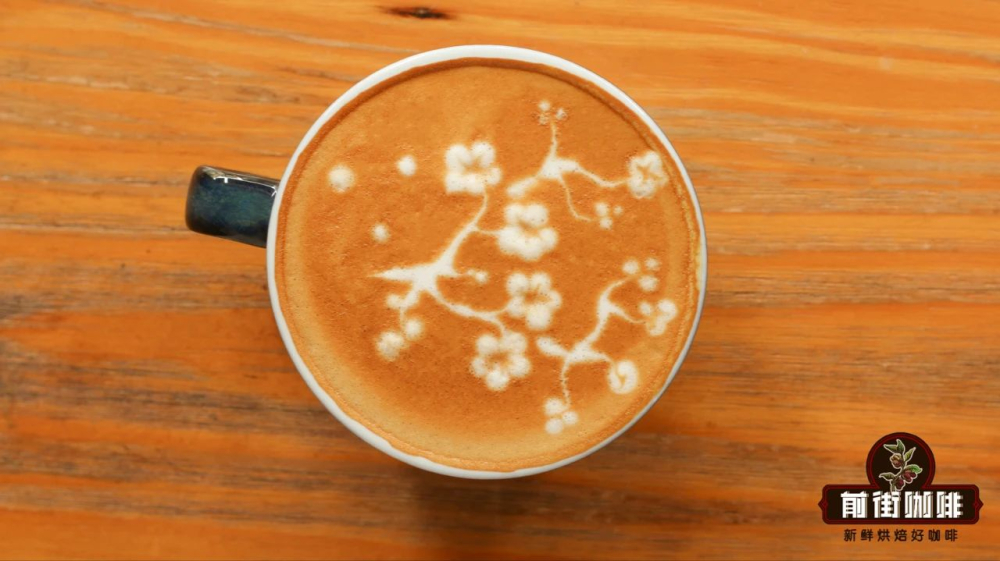
Latte Art | What is latte art? How do beginners make latte art? What are the techniques for making a tulip pattern?
Latte art mainly includes three forms: free pouring, etching, and stenciling. Stenciling uses a stencil to sprinkle cocoa powder, chocolate powder, or cinnamon powder onto the coffee to create a pattern. Free pouring and etching are collectively known as Latte Art; the former involves pouring hot [more…]
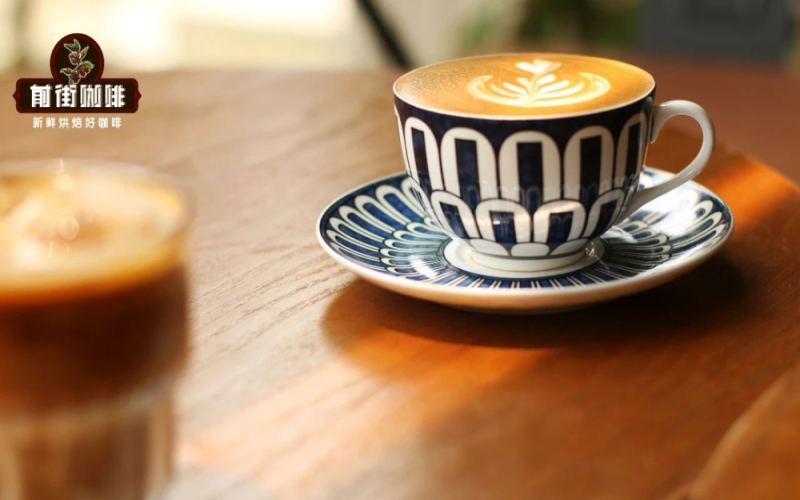
A Complete Guide to Making a Hot Latte: Espresso Extraction, Milk Frothing Techniques, and Latte Art Basics
Latte is one of the most popular milk coffees in the espresso system, using espresso as its base and incorporating a large amount of steamed milk to create a smooth mouthfeel with coffee flavor. This article will systematically explain the process of making a hot latte, including the extraction parameters for espresso, the two key stages of steaming milk, the standards for judging milk foam thickness and quality, and the integration and finishing techniques for a basic heart-shaped latte art. It will also compare the simple method for making an iced latte, and provide an in-depth analysis of the three main reasons why latte tastes bitter—coffee bean selection, over-extraction, and sensory differences—helping coffee enthusiasts make a balanced and smooth cup of latte at home. [more…]
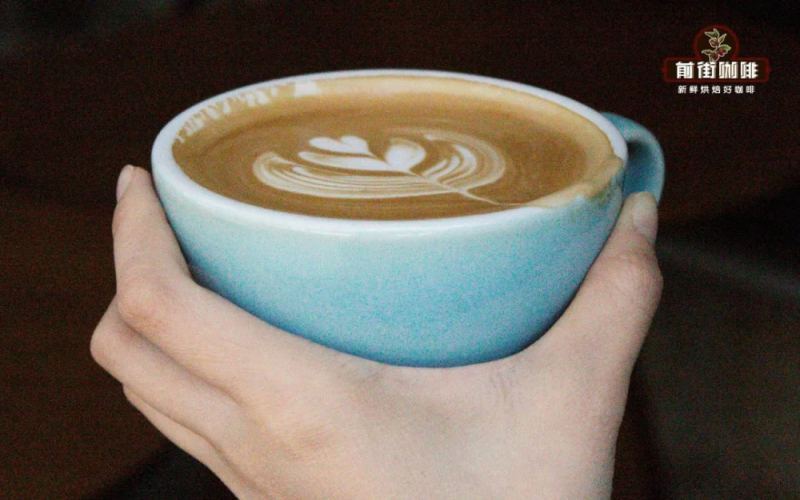
How Milk Temperature Affects Latte Art and Taste: Milk Steaming Temperatures and Drinking Tips for Lattes, Flat Whites, and Cappuccinos
After the transition into autumn and the arrival of cooler weather, hot milk coffee has once again become the mainstay of in-store orders, and the temperature to which milk is steamed directly determines the smoothness on the palate, the durability of latte art patterns, and even whether the aroma leans milky or develops a cooked-milk note. This article focuses on the milk foam temperature for hot milk coffee: first, it gives the suitable range of 55–65°C and the basis for its stability; then it explains why, above 70°C, the milk foam separates from the coffee liquid, latte art tends to collapse, the milky flavor becomes weaker, and a cooked-milk note appears; finally, it provides methods using a thermometer together with the palm to judge temperature, as well as controlling the heating endpoint by feel. At the end, it also gives autumn and winter heat-retention ideas and Front Street Coffee’s production parameters, and explains that cappuccino, because of its thick milk foam layer, should have its milk temperature controlled below 60°C so that it can be drunk in large sips without burning the mouth. [more…]
A Beginner's Guide to Coffee Latte Art: A Complete Guide to Choosing Equipment and Tools from Espresso Machines to Latte Art Pitchers
Wanting to learn latte art, passion alone is not enough—choosing the right equipment and tools is the first step. This article is aimed at beginner baristas and systematically sorts out the various basic equipment needed to get started with latte art: from the differences and selection points of the four boiler systems in professional Italian espresso machines (single boiler, heat exchanger, dual boiler, multi-boiler), to the classification of steam wands and steam tip types, then to grinder burr types, tamper shape matching, latte art pitcher spout shapes and groove designs, as well as the logic for choosing materials such as espresso beans and milk. It also analyzes the influence of cup shape on latte art results and gives the key parameters for adjusting machine settings, helping beginners avoid detours and laying a solid hardware foundation for subsequent latte art practice. [more…]
Latte Milk Foam Steaming Tutorial with Illustrations | What Are the Requirements for Milk When Making Latte Art? What Techniques Should Coffee Beginners Pay Attention to When Steaming Milk Foam for Latte Art?
To make latte art look good, choosing the right milk is very important! Front Street Coffee's daily in-store milk coffee offerings all use full-fat fresh milk, because it is rich in protein, lactose, and milk fat. The protein in milk is what makes the milk foam stable. [more…]